
Australian Shilling Obverse Master Dies
The Australian shilling series features six principal obverse master-die types, with changes to the monarch’s portrait, royal legend and rim details providing the key points of identification.
This guide examines each of those obverse types in detail, followed by a practical year, mint and identifier reference to help collectors distinguish important issues throughout the series.
Obverse Master Die Types
Six portrait-side master-die families are represented in the supplied shilling material.

Obverse 1 — 1910
Australia's first shilling carried Edward VII. George W. de Saulles prepared the portrait used for this single-year issue before the change of monarch brought a new obverse in 1911.

Obverse 2 — 1911–1936
Sir Edgar B. Mackennal's George V portrait became the standard shilling obverse from 1911 through 1936. The supplied material records no separate obverse die varieties across this long period, indicating one master-die family for the George V series.
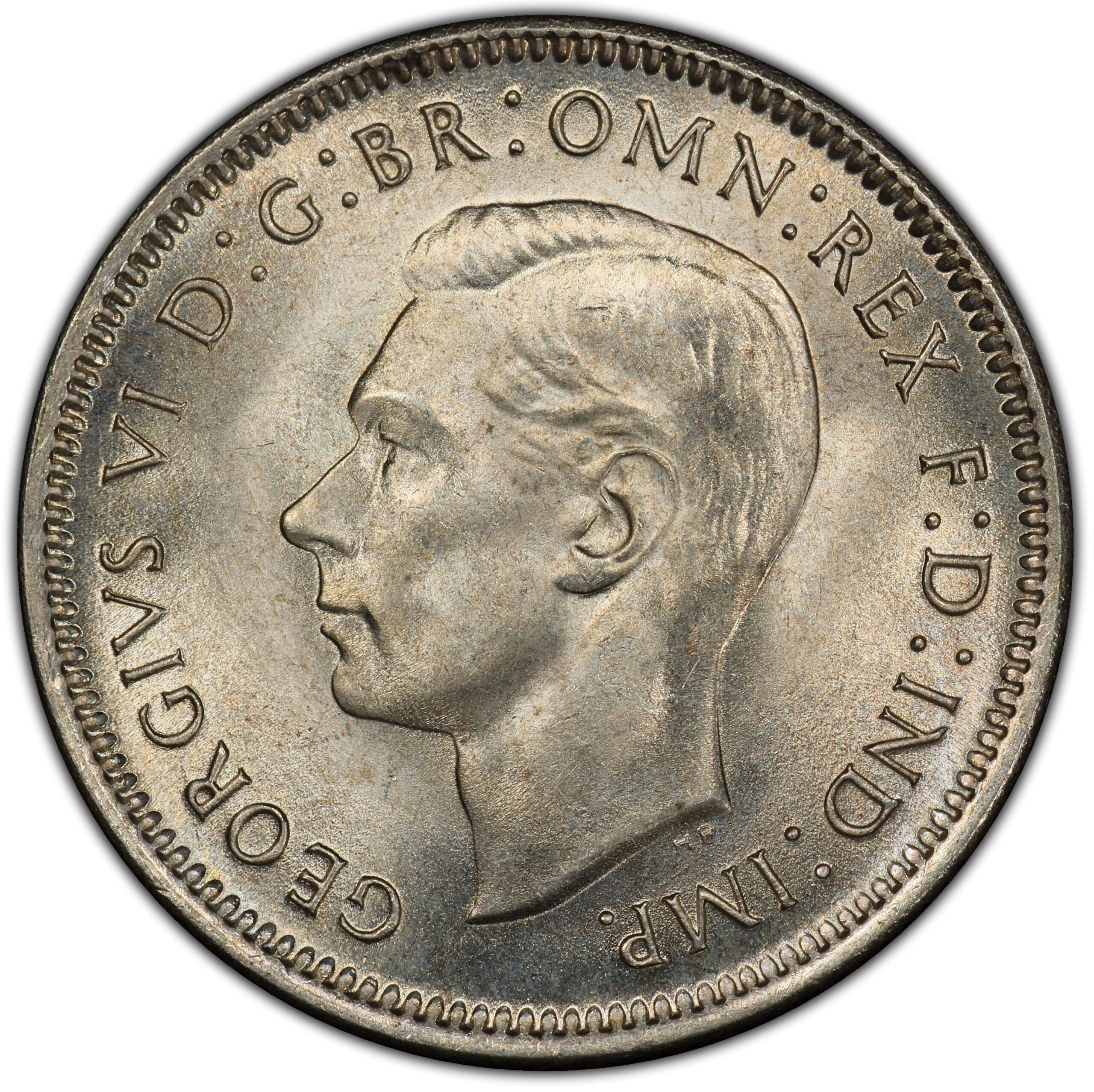
Obverse 3 — 1938–1948
Thomas Humphrey Paget's portrait introduced George VI to the Australian shilling in 1938. This first George VI type continued through the wartime issues and remained in use until 1948.

Obverse 4 — 1950–1952
The later George VI shillings carried a revised royal legend. IND IMP disappeared following India's independence, giving collectors an immediate inscription difference from the earlier George VI type.
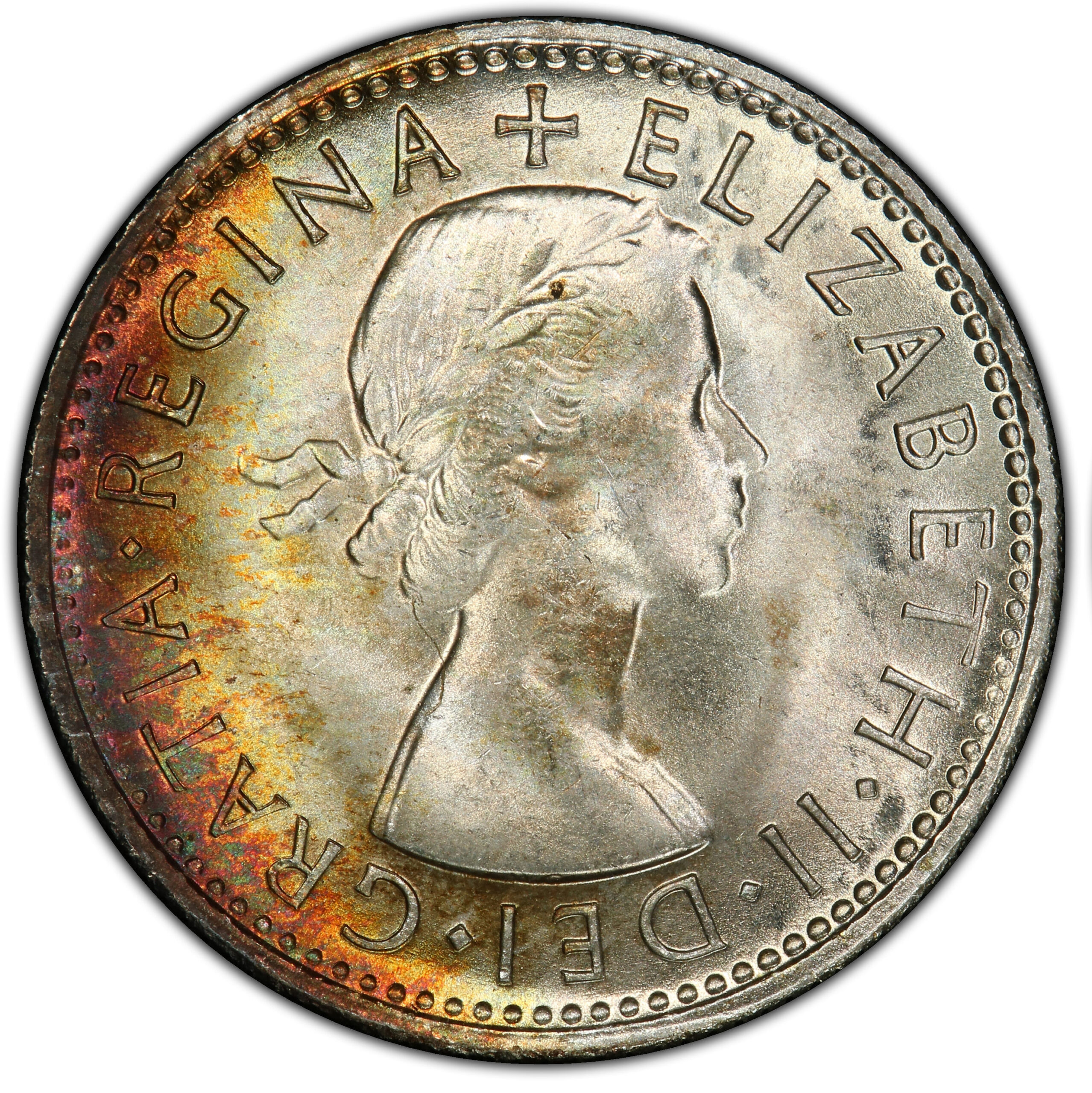
Obverse 5 — 1953–1954
Mary Gillick's Elizabeth II portrait arrived in 1953. The change was not limited to the portrait: the traditional denticled rim was replaced by separate rounded beads.
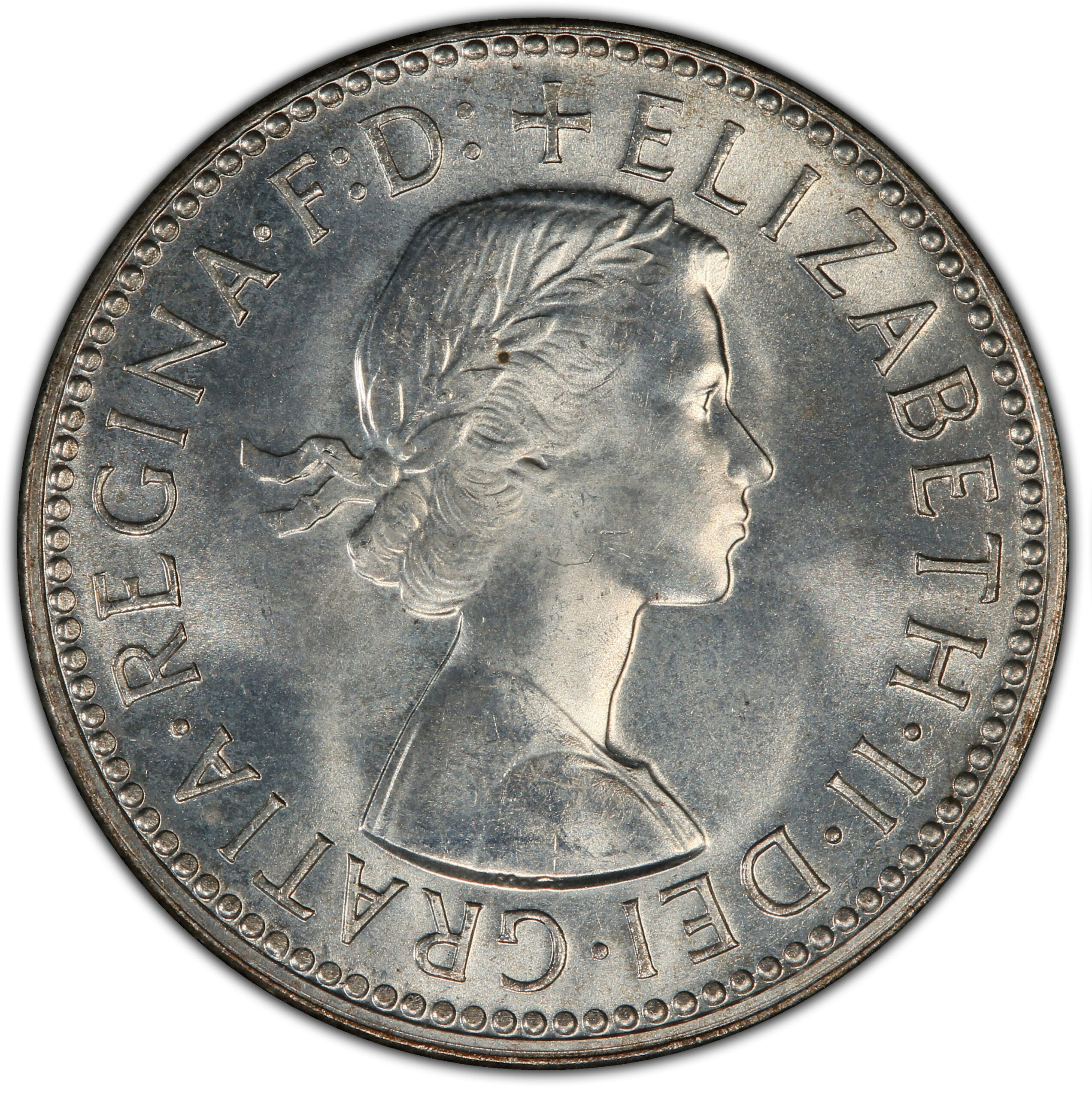
Obverse 6 — 1955 onwards
The Elizabeth II obverse was revised in 1955. F:D returned to the legend and the rim bead count dropped by one, giving two useful checks for separating it from the 1953–1954 type.
Australian Shilling Minting Reference
With no supported reverse master-die sequence to pair against the obverses, this table uses the supplied minting information instead.
| Year / Period | Obverse | Mint | Identifier | Notes |
|---|---|---|---|---|
| 1910 | O-1 | London | Edward VII | First Australian shilling issue. |
| 1911–1914 | O-2 | London | George V | Standard early George V production. |
| 1915 | O-2 | London / Heaton, Birmingham | H below date on Heaton coins | Part of the issue was subcontracted to Heaton & Sons. |
| 1916–1920 | O-2 | Melbourne | George V | Melbourne became the principal mint from 1916. |
| 1921 | O-2 | Sydney | Star above date | All shillings dated 1921 were struck in Sydney. The star is not a mintmark. |
| 1924–1926 | O-2 | Melbourne / Sydney | No distinguishing mintmark | The two mints cannot be separated by inspection. |
| 1927–1936 | O-2 | Melbourne | George V | Standard later George V production. |
| 1938–1941 | O-3 | Melbourne | George VI | The dot above the date on 1938 is part of the design, not a mintmark. |
| 1942–1944 | O-3 | Melbourne / San Francisco | S above date on San Francisco coins | Large numbers were struck at San Francisco during the wartime period. |
| 1945 | O-3 | Melbourne | George VI | Standard Melbourne production. |
| 1946 | O-3 | Melbourne / Perth | Dot before SHILLING on Perth coins | The supplied material identifies this as the only silver coin struck at Perth. |
| 1947–1948 | O-3 | Melbourne | George VI | Final years of the first George VI obverse. |
| 1950–1952 | O-4 | Melbourne | Revised George VI legend | IND IMP omitted. |
| 1953–1954 | O-5 | Melbourne | Elizabeth II | First beaded-rim Elizabeth II obverse. |
| 1955 onwards | O-6 | Melbourne | F:D restored | Later Elizabeth II obverse with 101 rim beads. |
Special Date & Mint Identifiers
Several shilling issues carry useful reverse-side clues even though they are not presented here as separate reverse master dies.
1915 Heaton: Birmingham-struck coins carry an H below the date.
1921: Every shilling dated 1921 was struck in Sydney. The star above the date is not a mintmark; it related to a proposed silver-content change that did not occur. Melbourne struck shillings in 1921, but they were dated 1920.
1924–1926: Melbourne and Sydney both produced shillings, with no recorded visual method of separating their coins.
1938: The dot above the date belongs to the design and is not a mintmark.
1942–1944 San Francisco: Coins struck there carry an S above the date.
1946 Perth: Perth coins are identified by a dot before SHILLING.
1925: Many coins show traces resembling part of a 3 projecting from the 5, a feature associated with an apparent overdate.
Quick Legend
O-1 to O-6 = the six obverse master-die types in this guide.
H = Heaton & Sons, Birmingham | S = San Francisco | dot before SHILLING = Perth identifier on 1946.
Important: These mintmarks and date features are identification aids, not separate reverse master-die classifications.