
Klazzik Numismatics Australian Pre-Decimal Coins
Australian Pre-Decimal Coins Explained
Australia's pre-decimal coins tell the story of a nation developing its own identity. Between the first Commonwealth silver coins of 1910 and the final pre-decimal issues before decimalisation, portraits, reverse designs, metals and commemorative themes all changed.
This timeline follows the major milestones from Edward VII through to Elizabeth II, including the coins that became permanent favourites with Australian collectors.
The Beginning
Australia's First Commonwealth Coins - 1910
The first Australian Commonwealth coins were the silver threepence, sixpence, shilling and florin. They carried King Edward VII on the obverse and an Australian Coat of Arms design on the reverse.
Threepence
Obverse and reverse. Click to enlarge.
Sixpence
Obverse and reverse. Click to enlarge.
Shilling
Obverse and reverse. Click to enlarge.
Florin
Obverse and reverse. Click to enlarge.
Portraits Through Time
The Four Monarchs of Australian Pre-Decimal Coinage
The portrait changed with each reign, giving collectors a clear way to divide the coinage into major periods.

Edward VII
Australia's first Commonwealth silver coins were dated 1910.

George V
The era associated with many of Australia's best-known pre-decimal rarities.

George VI
A period of redesign, wartime production and changes to silver content.

Elizabeth II
The final pre-decimal reign before Australia changed to decimal currency.
Major Milestones
A Visual Timeline of Australian Pre-Decimal Coins
These milestones mark important changes in design, denomination, metal and national commemoration.
The King George V Penny Era
Australia's bronze penny became one of the nation's most familiar everyday coins. Its broad flan and long period in circulation made it a natural focus for variety collectors.
The Canberra Florin
Issued for the opening of the provisional Parliament House in Canberra, the 1927 florin became Australia's first circulating commemorative coin.
The Melbourne Centenary Florin
The 1934-35 Centenary Florin commemorated one hundred years since the founding of Melbourne. Its special reverse and lower issue made it an enduring collector favourite.
The Australian Crown
The 1937 Crown introduced a large five-shilling coin during the reign of George VI. Its size impressed collectors but proved inconvenient in ordinary use.
The Kangaroo Halfpenny
The 1939 halfpenny introduced the leaping kangaroo reverse that remained for the rest of Australia's pre-decimal period.
The Federation Jubilee Florin
The 1951 florin marked fifty years since Federation and used a special reverse instead of the standard Coat of Arms.
The Royal Visit Florin
The 1954 commemorative florin celebrated the visit of Queen Elizabeth II and Prince Philip to Australia.
Wartime Production
Wartime pressure affected Australian coin manufacture and some issues were struck outside Australia. These production differences created important mintmark and variety distinctions for collectors.
Changes to Silver
Earlier Australian silver coins contained a higher proportion of silver. From 1946 the silver content was reduced, changing intrinsic metal value while familiar denominations remained.
A More Australian Identity
The monarch remained on the obverse, but reverse designs increasingly used Australian animals, buildings, arms and national events.
Collector Favourites
Iconic Australian Pre-Decimal Coins
These issues remain among the most recognisable coins in Australian numismatics.
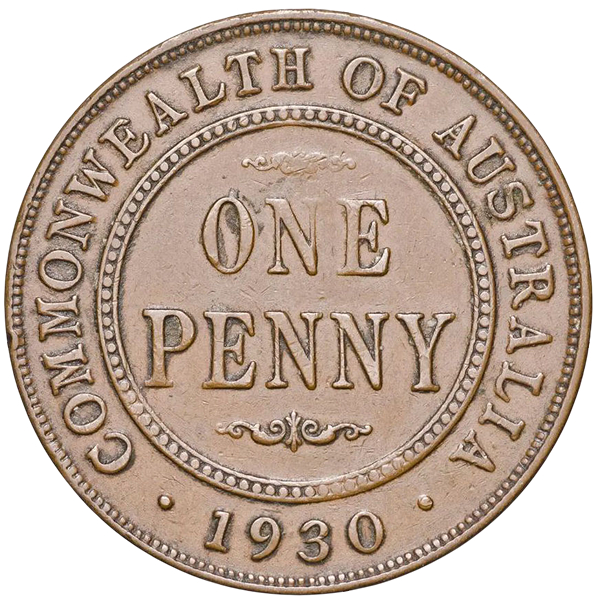
1930 Penny
Australia's best-known rare circulating coin and a major target for counterfeiters.
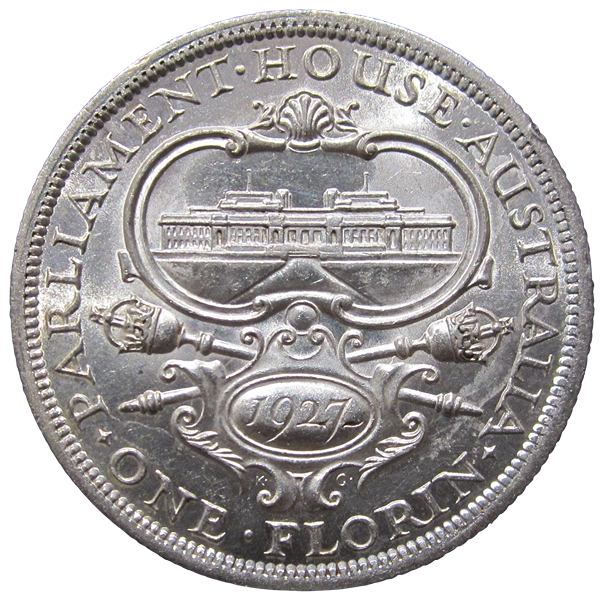
1927 Canberra Florin
Australia's first circulating commemorative coin.
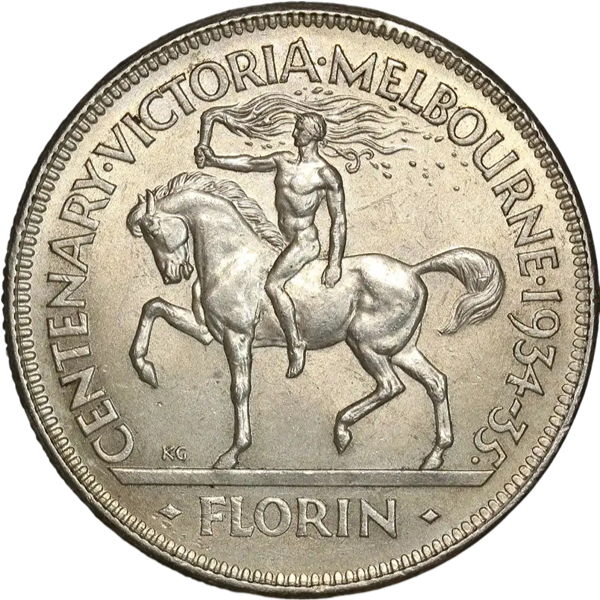
Centenary Florin
A lower-mintage commemorative with enduring collector appeal.

1937 Crown
A large, short-lived denomination that remains popular with collectors.
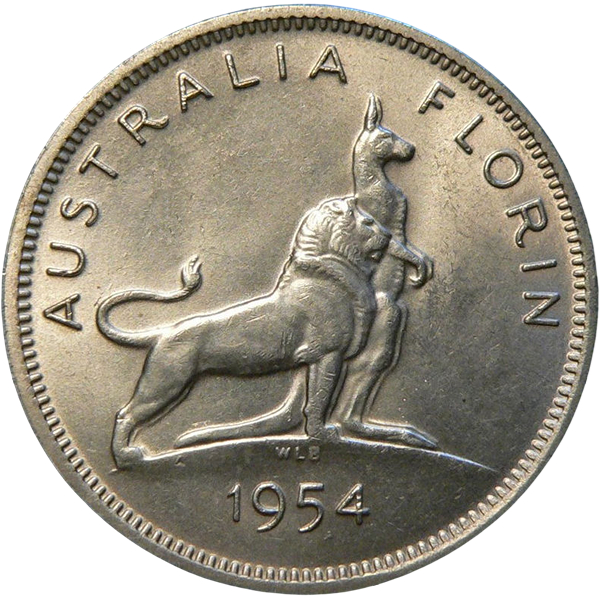
1954 Royal Visit Florin
A widely collected commemorative from the early Elizabeth II era.
Why This History Matters to Collectors
Understanding the sequence of portraits, reverse designs and commemorative issues makes Australian pre-decimal coins much easier to identify. It also explains why some dates, types and varieties attract stronger demand than others.
Mintage is only part of the story. Survival rates, melting, wartime production, public saving, condition and collector demand all influence how difficult a coin is to obtain today.
The best way to learn is to study the designs in order, compare genuine examples and use specialist guides for individual dates and varieties.
Continue Exploring Klazzik Numismatics
Browse detailed Australian coin guides, beginner articles and free collector tools throughout the Klazzik reference library.